
The React Native app: JavaScript that goes native.
A React Native app serves iOS and Android from one shared JavaScript or TypeScript codebase – with real native UI components instead of a web shell. Learn what sets these apps apart, what they cost and when they are the right choice.
Real native UI
React Native drives the platform's native building blocks – not a web view, but genuine iOS and Android elements.
Proven in production
Instagram, Discord, Shopify and the Tesla app are React Native apps with millions of daily users.
Reuse your React world
If you already work with React on the web, you bring your team, know-how and the npm ecosystem straight into app development.









See for yourself what we build.
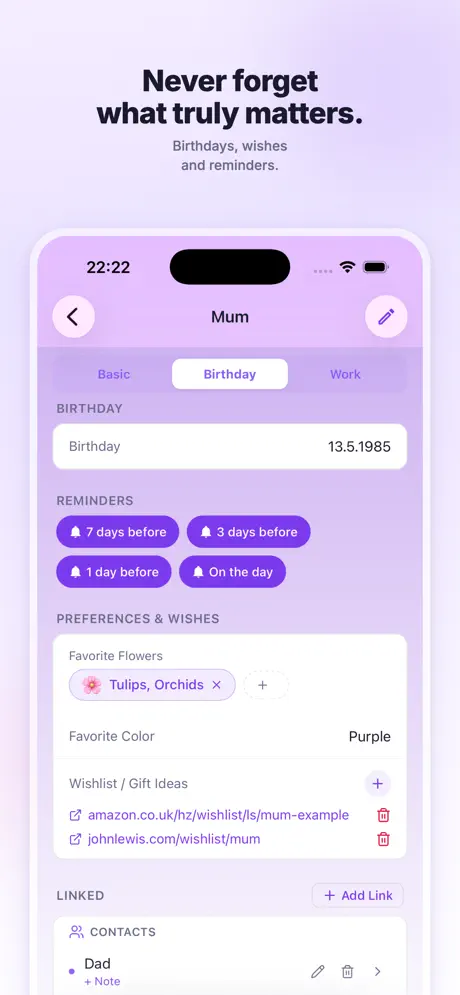
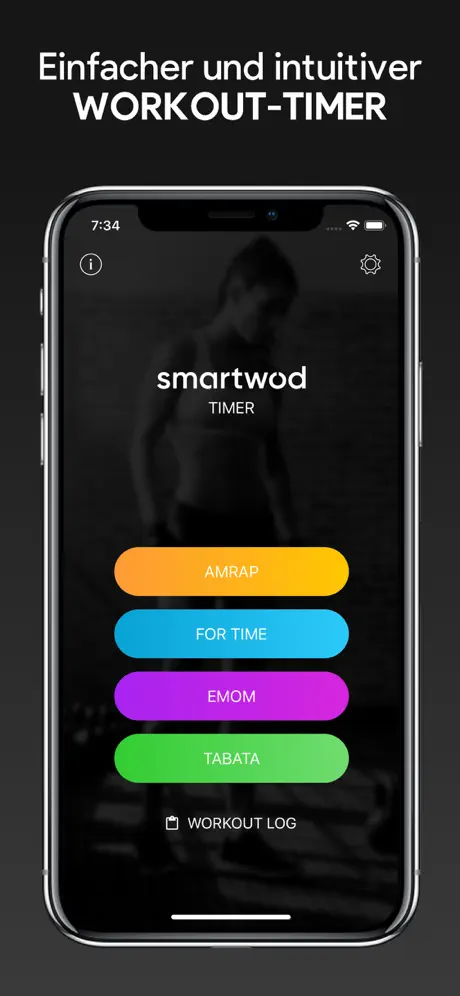
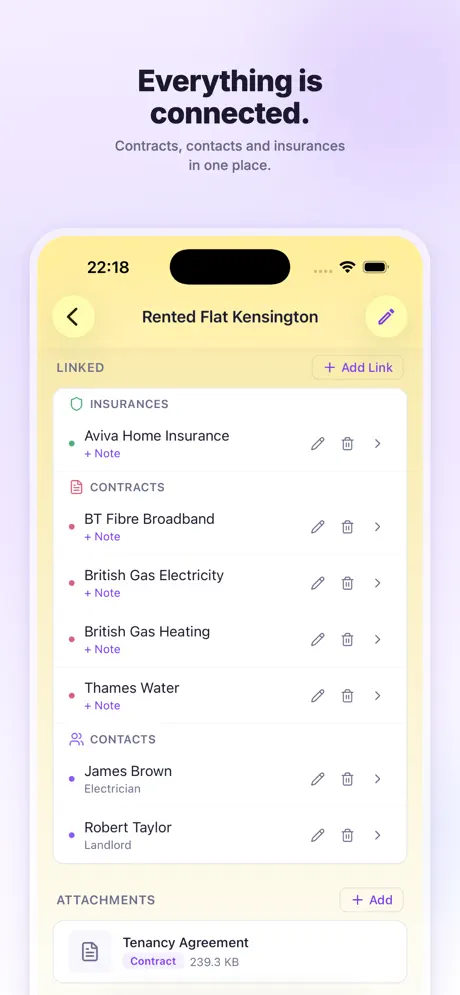
Real screenshots instead of promises: we develop and run these React Native apps live together with our partners – and we would build your app to your requirements in exactly the same way.
Workouts from your equipment
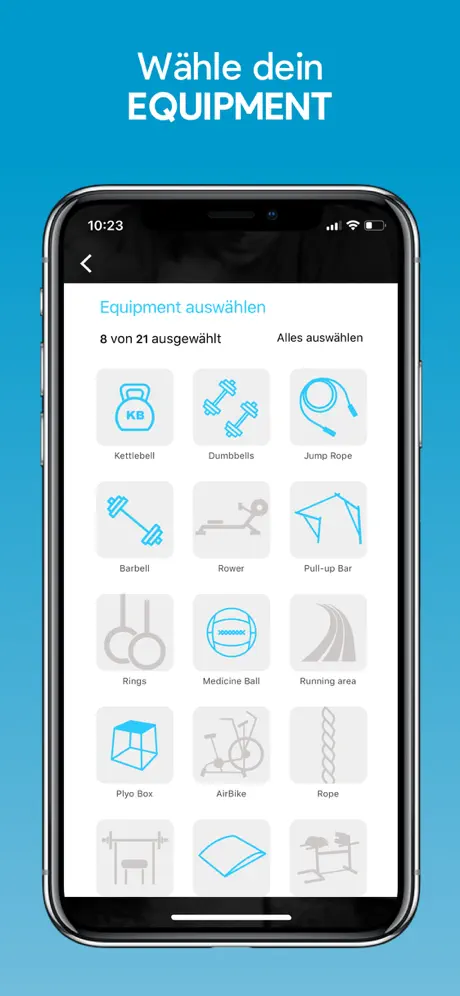
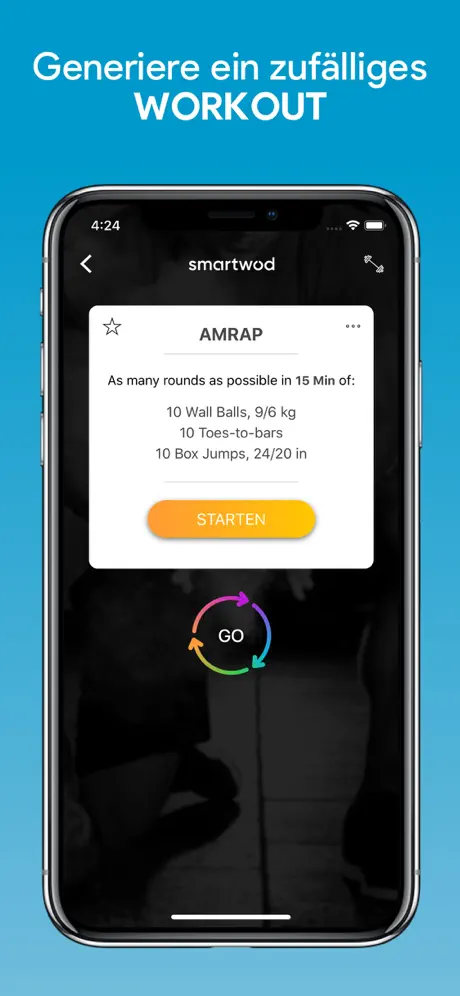
Pick your equipment, generate a workout: SmartWOD creates functional fitness workouts from what you actually have – built in React Native for iOS and Android.

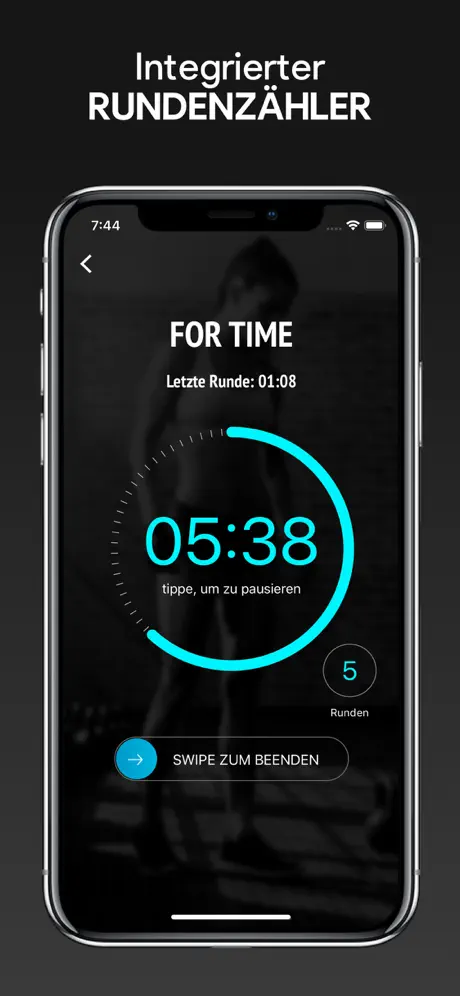

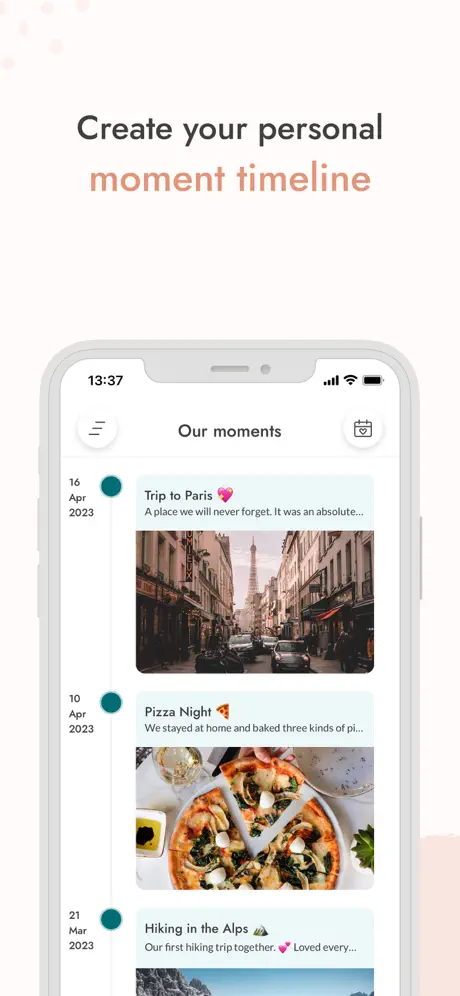
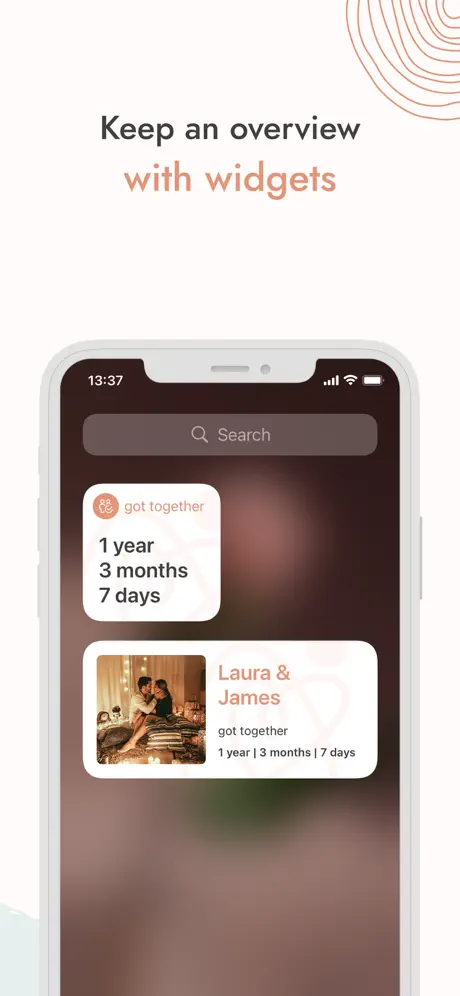
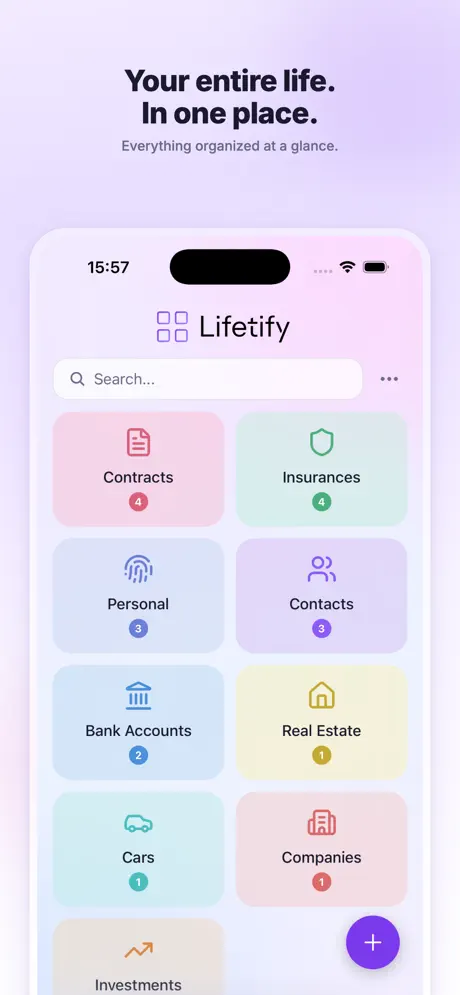
What sets a React Native app apart.
React Native renders the interface via a JavaScript bridge (or the new architecture, JSI) using real native controls – instead of wrapping a website in an app. That is where the benefits that actually matter in project work come from:
- One codebase for iOS & Android – Both platforms from the same JavaScript/TypeScript code. Features and fixes are built once instead of separately for iPhone and Android.
- Your React team is ready to go – If you already use React on the web, you work with the same concepts – components, hooks, state. No separate mobile silo needed.
- The huge JS ecosystem – Access to npm with hundreds of thousands of packages: from analytics to payments to maps, much of it is ready to use.
- Fast Refresh & quick iteration – Changes appear in seconds in the running build – short feedback loops keep development affordable and agile.
- Updates without the store detour – Over-the-air updates (EAS Update / CodePush) ship JS changes straight to devices – without waiting for a store review.
Well-known React Native apps
Instagram · Facebook · Discord · Shopify · Coinbase · Microsoft Office · Tesla
Tech in brief
Language: JavaScript/TypeScript · UI: real native components (new architecture/JSI) · Platforms: iOS, Android (+ Windows/macOS via Microsoft)
Go deeper
Full explanation on our page “What is React Native?”
What React Native apps are especially good for.
No framework fits every project. These cases benefit most from React Native's combination of one JS codebase, the React ecosystem and fast iteration:
Teams with a React/web background
When React already runs in-house, the app becomes a natural extension – shared logic, shared team, shared tooling.
Content- & social-driven apps
Feeds, profiles, interaction, frequent UI updates – exactly the field where Instagram and Discord rely on React Native.
MVPs & startup products
Fast into both stores, cheap to iterate, and thanks to OTA updates you can fix without the wait – ideal for learning in a real market.
Business & e-commerce apps
Shopify runs its merchant apps on React Native – proof for data-driven B2B and commerce scenarios.
Chat & real-time
Messaging, live updates, collaboration – details on our React Native chat app page.
Edge cases
Very graphics- or hardware-heavy apps (high-end 3D, specialist sensors) get an honest look – here Flutter or native is often the better choice.
Do you recognize your project in these use cases?
Then the next question is no longer “whether React Native” but “how exactly”. Tell us about your app idea – you'll get an honest assessment of feasibility and budget range before you commit to anything.
Frequently asked questions about React Native apps.
Can't I just build a React Native app myself with AI?
For a prototype: yes. For a product that survives App Store review, scales and stays maintainable: rarely. AI generates code, but not architecture, store compliance and the many details that decide success. We are AI-first ourselves and build every app AI-assisted – faster, but with the experience of React Native apps we have been running in the stores together with our partners since 2018. That combination is what you get when you have your React Native app built with us.
What exactly is a React Native app?
An app built with Meta's framework React Native. The code is written in JavaScript or TypeScript with React components; React Native turns these into real native UI elements on iOS and Android – not into a web view.
Isn't this just a website in an app shell?
No. React Native renders real native controls of the platform, not HTML in a browser. Apps like Instagram, Discord and Shopify run on it at scale – which a pure web shell could not deliver.
How much does a React Native app cost?
It depends on scope – from a focused MVP to an app with a backend and integrations. Compared to separate iOS and Android builds you usually save noticeably, because one codebase serves both platforms. We give concrete numbers as a transparent estimate after the free initial call.
What do over-the-air updates give me?
With EAS Update or CodePush you push JavaScript changes straight to users' devices – without waiting for a new store review. Bug fixes and small tweaks go live in hours instead of days.
Does a React Native app also run on desktop?
Yes, via React Native for Windows and macOS from Microsoft – used in production in parts of Microsoft Office. Details on our React Native desktop app page.
When is React Native not the right choice?
For very graphics- or hardware-heavy apps, or when you need maximum native polish per platform, Flutter or a native build (SwiftUI/Kotlin) is often better. We say so honestly rather than forcing every project into React Native.
Who is behind React Native and how mature is it?
React Native was released as open source by Meta (Facebook) in 2015 and has been actively developed ever since – most recently with the new architecture (JSI, Fabric, TurboModules). Meta itself uses it in Facebook and Instagram, which speaks for maturity and long-term support.
React Native apps from our partner projects.
React Native isn't an experiment for us: we've been building React Native apps since 2018 and run them live in the app stores together with our partners. A selection:
 SmartWOD Workout Generator


 SmartWOD Timer
 Mi & Ju
 Lifetify
Your React Native app starts with a conversation.
Describe your idea – we'll tell you honestly whether a React Native app is the right solution and what it costs.
Request a React Native app.
Briefly describe your project – an assessment of feasibility and effort usually arrives within 24 hours.
We usually reply within 24 hours.
Remote & on site – working across the DACH region (DE, AT, CH), with international project experience.