
The Flutter app: one codebase that runs everywhere.
A Flutter app is an application built with Google's open-source framework Flutter from one codebase for iOS, Android, Windows and macOS. Here you can read what sets Flutter apps apart, what they cost and when they fit.
Natively compiled
Flutter apps are compiled to machine code and run as smoothly as native apps.
Millions of users
Google Pay, the My BMW App, eBay Motors and Nubank are Flutter apps with millions of users.
Ours too
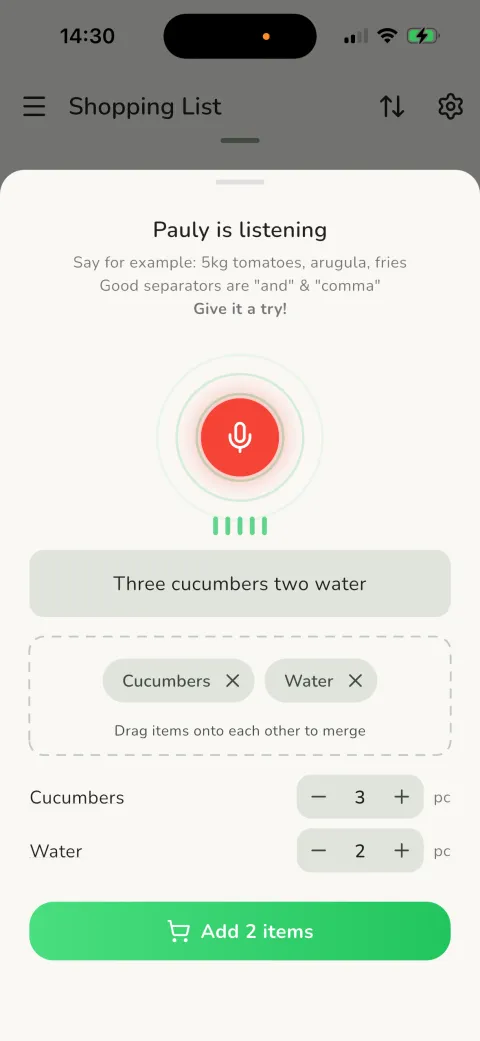
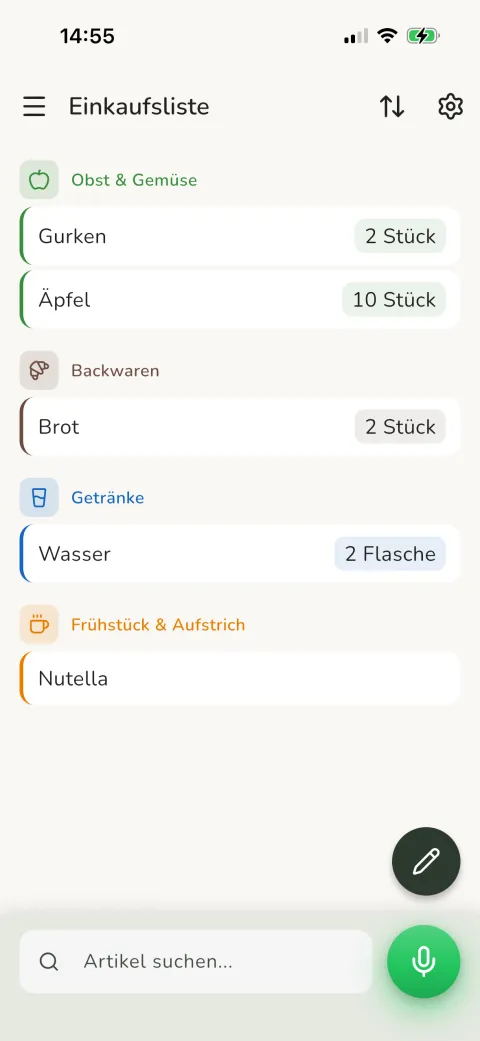
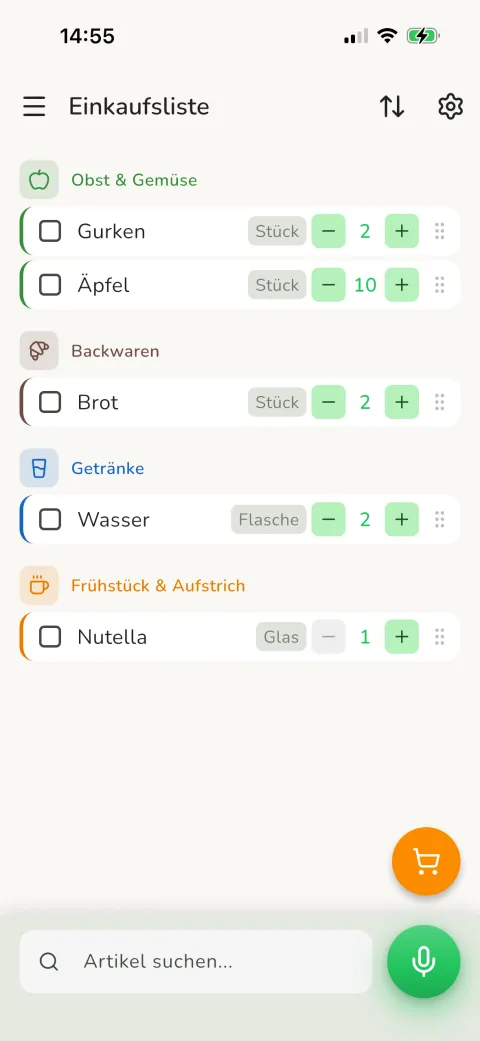
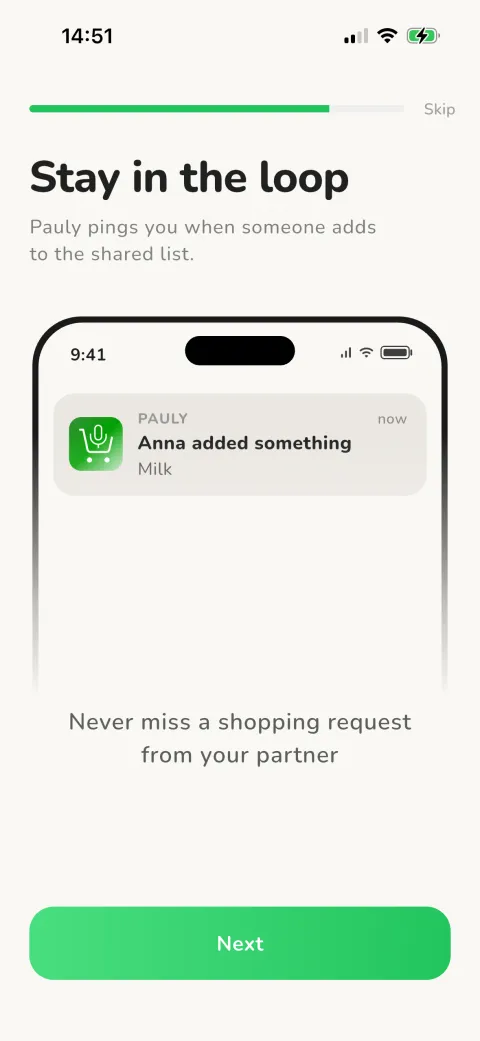
Pauly, our own shopping list app, is a Flutter app, live in both stores.




See for yourself what we build.
Apps we developed ourselves and run in both stores today.
Dictate your list instead of typing
Speak, and the list writes itself: Pauly extracts items and quantities from natural speech. Built from one Flutter codebase for iOS and Android.


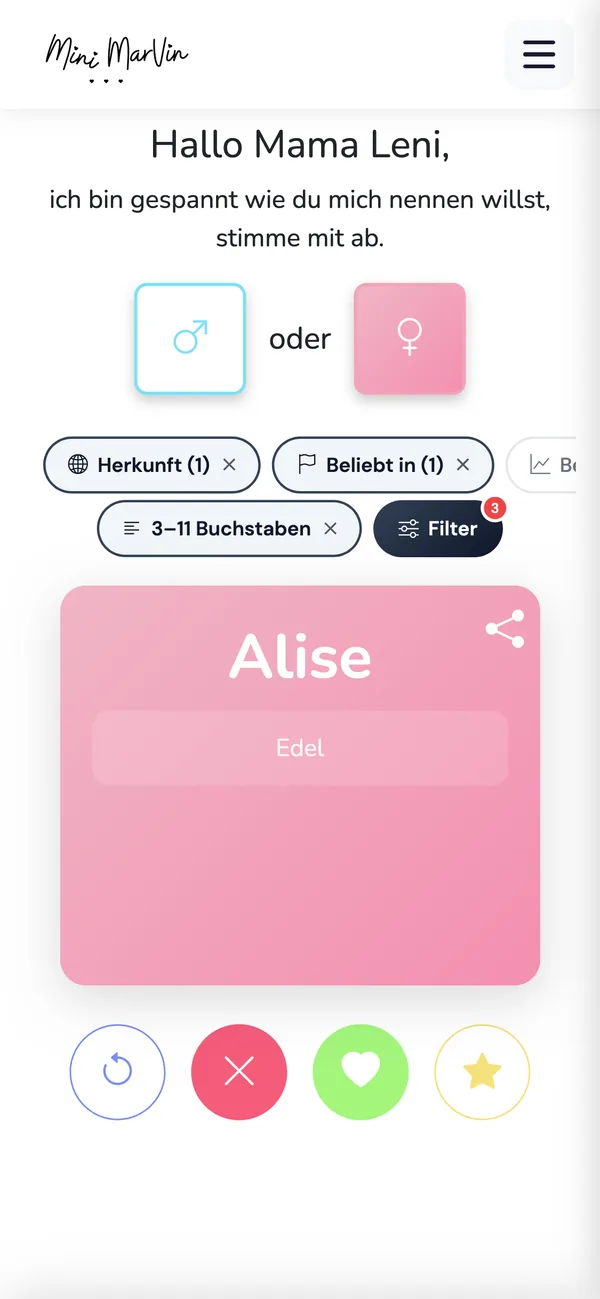
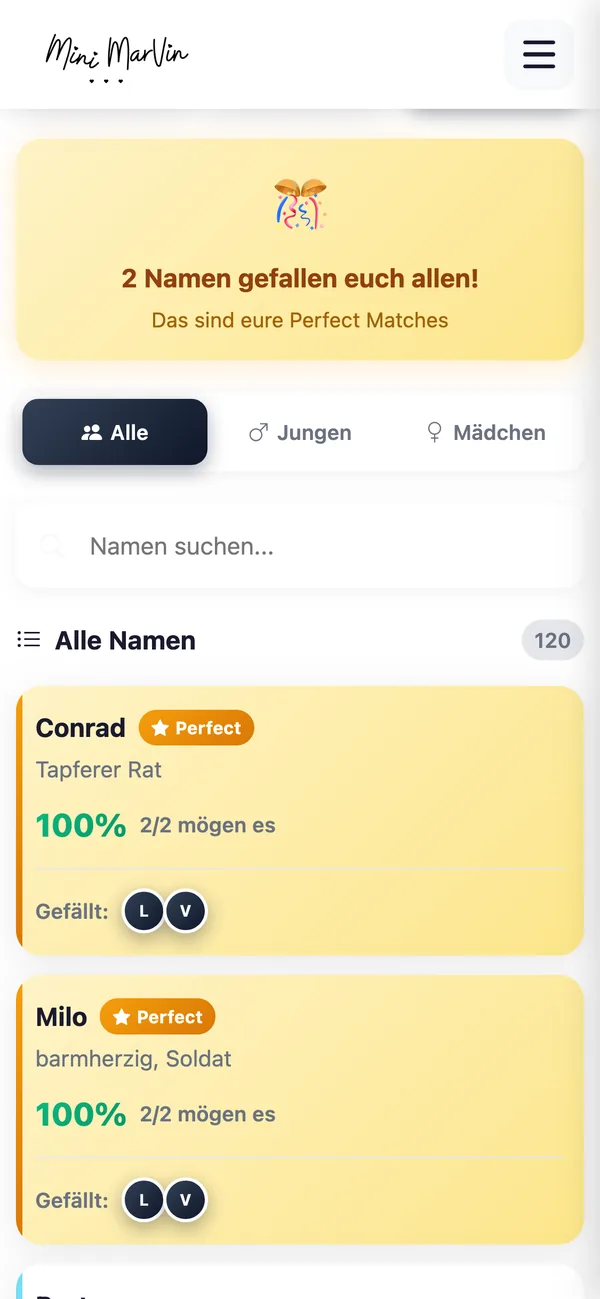
What sets a Flutter app apart.
-
One codebase for everything
iPhone, Android, Windows, Mac: the same app, the same code. Every feature and every fix is built once.
More on this
Web and Linux are possible from the same codebase. Desktop details on our Flutter desktop app page.
-
Native speed, identical look
Ahead-of-time compilation to machine code and 60+ fps rendering. Its own engine draws your design the same on every device, regardless of manufacturer quirks.
More on this
Language Dart, rendering with its own engine (Impeller, previously Skia). Unlike classic cross-platform approaches, Flutter does not wrap a website in an app shell. More on our page What is Flutter.
-
Faster development
Hot reload shows changes in seconds and the widget system speeds up UI work. Your budget goes further.
-
Future-proof and independent
Open source, actively developed by Google since 2017, one of the most widely used app frameworks for years. Your app and its code belong to you.
More on this
Google introduced Flutter in 2017 and the first stable release followed in 2018. Apps like Google Pay and the My BMW App show that Flutter is long past the experimental stage.
What Flutter apps are especially good for.
Consumer apps (B2C)
Shops, booking, fitness, community: fast iteration, both stores at once, a consistent brand experience.
Business apps (B2B)
Field sales, data capture, approvals, dashboards, offline-capable and connected to your systems.
MVPs and startup products
Maximum learning speed per euro: one codebase, both platforms, hot-reload pace.
Chat, live updates and desktop
Messaging, live updates and collaboration, or Windows and Mac alongside the mobile app from the same codebase.
Do you recognise your project?
Tell us about your app idea. You get an assessment of feasibility and budget range before you commit to anything.
A Flutter app you can try: Pauly.
Install our own Flutter app and judge the speed and feel for yourself.
 Pauly · dictate your shopping list
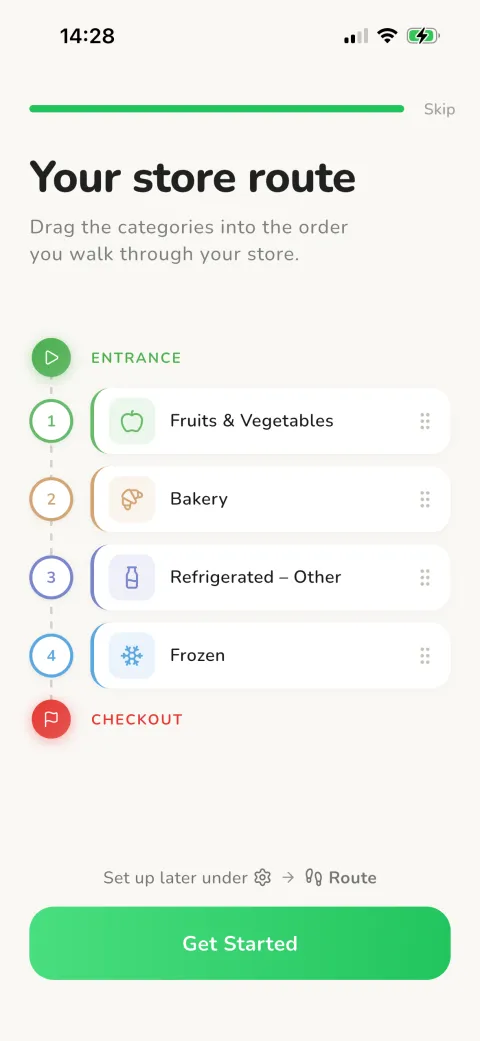
Pauly is our voice-controlled shopping list app, a Flutter app with on-device speech recognition, automatic categorisation, store walking-order sorting and live sharing. Works offline, no account needed, from one codebase for iOS and Android.
Frequently asked questions about Flutter apps.
Can't I just build a Flutter app myself with AI?
For a prototype, yes. For a product that passes App Store review and stays maintainable, rarely. AI generates Dart code without architecture or store compliance. We build every Flutter app AI-assisted, with the experience of our own store apps.
What exactly is a Flutter app?
An app built with Google's open-source framework Flutter. The code is written in Dart and, for release builds, compiled to native machine code, so the app runs natively even though it was written only once.
Can you tell the difference from a “real” native app?
Not in everyday use: Flutter compiles to machine code and renders at 60+ fps, and Google Pay and the My BMW App prove it at scale. Only extremely hardware-heavy apps or high-end 3D get checked up front; there, native or a hybrid approach can be better.
How much does it cost to build a Flutter app?
It depends on scope, from a focused MVP to an app with a backend and integrations. Compared to separate iOS and Android builds you typically save 30–50% in development and even more in maintenance. Concrete numbers after the free first call.
How do I find the right Flutter app developer for my project?
Ask for their own apps in the store, for clear statements about Flutter's limits and for testable interim builds during the project. You get all three answers from us in the first conversation.
Does a Flutter app make me dependent on Google?
Flutter is open source, the framework's source code is freely available, and your app belongs to you, code included. Even if the ecosystem shifts, your codebase stays runnable. A worldwide community provides packages and documentation well beyond Google.
Your Flutter app starts with a conversation.
Describe your idea. We tell you whether a Flutter app is the right solution and what it costs.
Request a Flutter app.
Briefly describe your project. An assessment of feasibility and effort usually arrives within 24 hours.
We usually reply within 24 hours.
Remote and on site in Germany, Austria and Switzerland. International projects on request.